10 Simple Stretching Exercises to Improve Flexibility and Reduce Muscle Tension
Stretching is one of the simplest yet most effective ways to improve your overall fitness and well-being. Whether you exercise regularly, spend long hours sitting at a desk, or simply want to move more comfortably throughout the day, a few minutes of stretching can make a noticeable difference.
A consistent stretching routine may help improve flexibility, support healthy movement, and reduce feelings of muscle tightness after daily activities. Best of all, most stretches require no equipment and can be done almost anywhere.
Here are 10 beginner-friendly stretching exercises to help you stay active and mobile.
Why Stretching Is Important
Regular stretching offers many benefits, including:
- Improving flexibility
- Supporting healthy posture
- Increasing range of motion
- Helping muscles feel more relaxed after activity
- Preparing your body for exercise
Even spending 10 to 15 minutes stretching each day can become a valuable part of a healthy lifestyle.
1. Neck Stretch
Many people experience neck tension after using computers or mobile devices.
To perform this stretch:
- Sit or stand comfortably.
- Slowly tilt your head toward one shoulder.
- Hold for 20–30 seconds.
- Repeat on the opposite side.
Keep your shoulders relaxed throughout the movement.
2. Shoulder Stretch
This stretch helps improve shoulder mobility.
Steps:
- Bring one arm across your chest.
- Use your opposite arm to gently hold it in place.
- Hold for 20–30 seconds.
- Switch sides.
Avoid pulling too forcefully.
3. Chest Stretch
A chest stretch may help counteract the effects of prolonged sitting.
Try this simple variation:
- Stand in a doorway.
- Place your forearms on the frame.
- Gently lean forward until you feel a stretch across your chest.
- Hold for 20–30 seconds.
4. Cat-Cow Stretch
This gentle movement supports spinal mobility.
Begin on your hands and knees.
Alternate between:
- Arching your back upward.
- Lowering your back while lifting your chest.
Move slowly and comfortably with your breathing.
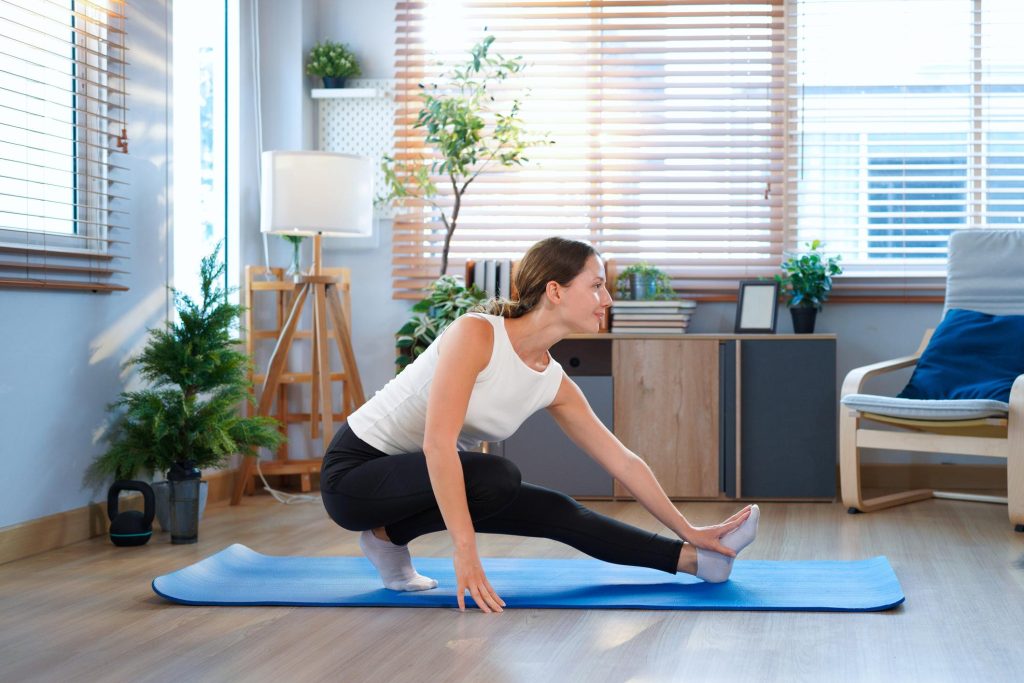
5. Seated Hamstring Stretch
Stretching the back of your legs can improve lower-body flexibility.
Steps:
- Sit with one leg extended.
- Keep your back straight.
- Reach gently toward your foot.
- Hold for 20–30 seconds.
Repeat on the other leg.
6. Standing Quadriceps Stretch
This stretch targets the front of your thighs.
To perform:
- Stand near a wall for balance if needed.
- Bend one knee and hold your foot behind you.
- Keep your knees close together.
- Hold for 20–30 seconds.
Switch legs afterward.
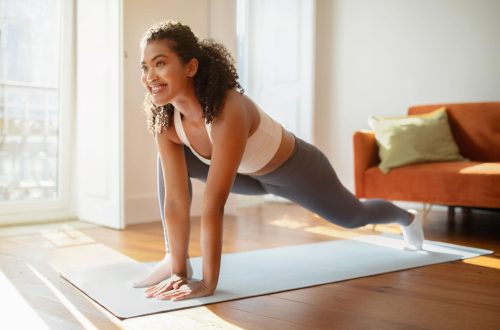
7. Hip Flexor Stretch
Hip flexors may become tight after long periods of sitting.
Perform a gentle lunge position while keeping your torso upright.
Hold the stretch for 20–30 seconds before changing sides.
8. Figure Four Stretch
This stretch focuses on the hips and glutes.
Lie on your back and cross one ankle over the opposite knee.
Gently pull the supporting leg toward your chest until you feel a comfortable stretch.
9. Standing Calf Stretch
Healthy calf flexibility supports comfortable walking and everyday movement.
Stand facing a wall.
Place one foot behind the other and press the back heel toward the floor while leaning forward slightly.
Hold before switching sides.
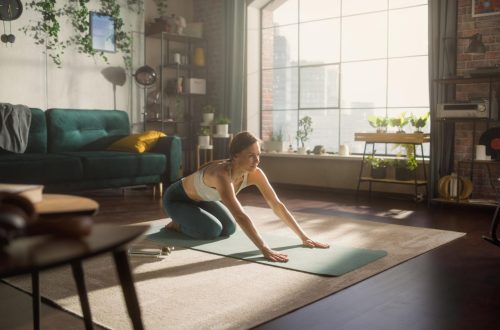
10. Child’s Pose
Child’s Pose is a gentle stretch often used to finish a stretching session.
Kneel on the floor, sit back toward your heels, and extend your arms forward while lowering your chest comfortably.
Take slow, deep breaths as you relax into the position.
Sample 10-Minute Daily Stretching Routine
You can combine these exercises into a simple daily routine:
- Neck Stretch – 30 seconds each side
- Shoulder Stretch – 30 seconds each side
- Chest Stretch – 30 seconds
- Cat-Cow Stretch – 1 minute
- Hamstring Stretch – 30 seconds each side
- Quadriceps Stretch – 30 seconds each side
- Hip Flexor Stretch – 30 seconds each side
- Figure Four Stretch – 30 seconds each side
- Calf Stretch – 30 seconds each side
- Child’s Pose – 1 minute
This routine is suitable for beginners and fits easily into most daily schedules.
Tips for Safe Stretching
Keep these guidelines in mind:
- Stretch slowly and smoothly.
- Never bounce while stretching.
- Breathe naturally.
- Stop if you feel pain.
- Stretch both sides equally.
Stretching should create a gentle feeling of tension, not discomfort.
Common Stretching Mistakes
Avoid these beginner mistakes:
- Holding your breath
- Rushing through stretches
- Stretching cold muscles too aggressively
- Ignoring proper posture
- Skipping stretching after exercise
Patience and consistency produce better long-term results.
Benefits of a Daily Stretching Habit
Making stretching part of your routine may help you:
- Move more comfortably
- Feel less stiff after sitting
- Improve flexibility over time
- Support better posture
- Relax both your body and mind
Small daily habits often lead to meaningful improvements.
Final Thoughts
Stretching is a simple activity that fits almost any lifestyle.
By spending just a few minutes each day improving your flexibility and mobility, you can support your overall fitness and make everyday movements feel easier.
Start with a few basic stretches, stay consistent, and enjoy the long-term benefits of regular movement.
Frequently Asked Questions
How often should I stretch?
Many people benefit from gentle stretching several times a week or even daily, depending on their activity level.
Is it better to stretch before or after exercise?
Dynamic movements are often used before exercise, while gentle static stretching is commonly performed after physical activity.
How long should I hold each stretch?
Holding a stretch for about 20–30 seconds is a common recommendation for general flexibility.