Beginner Workout Guide: How to Start Exercising at Home
Starting a fitness journey can feel challenging, especially if you are new to exercise. Many people believe they need a gym membership, expensive equipment, or complicated workout plans to get started.
The truth is that a simple home workout routine can be an effective way to improve your fitness, build strength, and create healthier daily habits.
With a little planning and consistency, anyone can begin exercising at home. Whether your goal is to become more active, improve your energy levels, or create a healthier lifestyle, starting with basic movements is the best approach.
This beginner workout guide will help you understand how to start safely and build a routine that fits your lifestyle.
Why Start Exercising at Home?
Home workouts have become popular because they are convenient and accessible.
Benefits include:
- No gym membership required
- Flexible workout schedule
- Saves travel time
- Comfortable environment
- Easy to start at your own pace
A successful fitness routine is not about having perfect conditions—it is about creating a habit you can maintain.
1. Set Realistic Fitness Goals
Before starting, think about what you want to achieve.
Your goals may include:
- Improving strength
- Increasing flexibility
- Building endurance
- Becoming more active
- Supporting overall wellness
Start with realistic goals that you can maintain. Small improvements over time often create the best long-term results.
2. Create a Simple Workout Schedule
Consistency is more important than doing intense workouts occasionally.
A beginner schedule could look like:
Monday
Full-body workout
Wednesday
Stretching or light cardio
Friday
Strength exercises
Weekend
Walking or active recovery
Choose a schedule that works with your lifestyle.
3. Start With Basic Bodyweight Exercises
You do not need equipment to begin.
Beginner-friendly exercises include:
Squats
Squats strengthen your legs and support everyday movement.
Push-Ups
Push-ups help build upper-body strength.
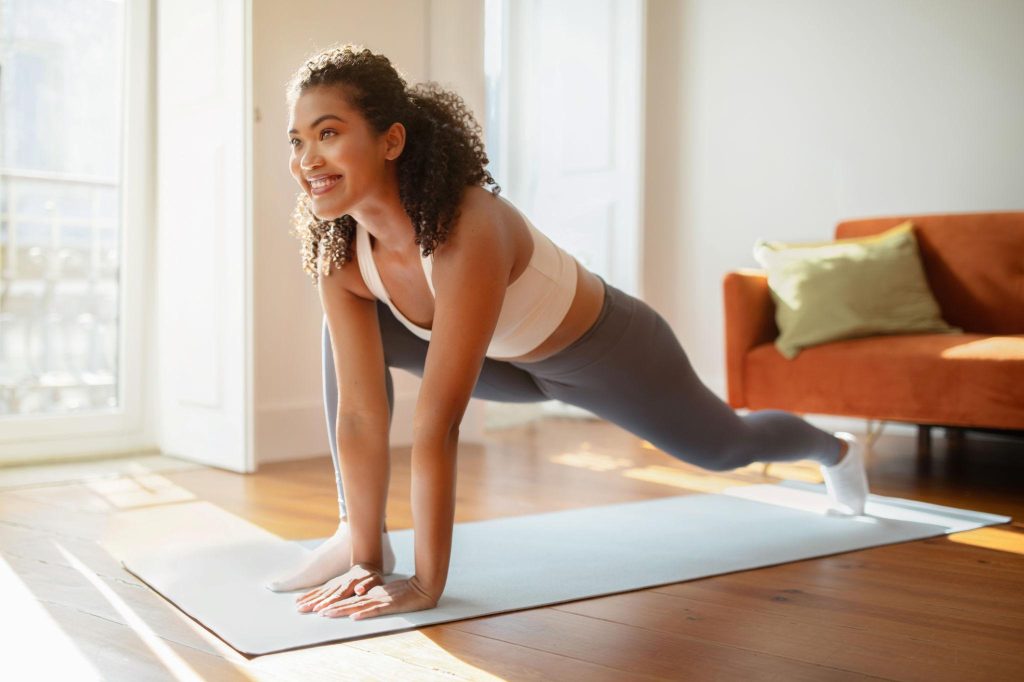
Lunges
Lunges improve leg strength and balance.
Planks
Planks strengthen your core muscles.
Glute Bridges
Glute bridges target the hips and lower body.
These simple movements create a strong foundation for fitness.
4. Warm Up Before Exercise
A warm-up prepares your body for movement.
A simple warm-up may include:
- Arm circles
- Marching in place
- Light stretching
- Gentle body movements
Spend about 5–10 minutes warming up before your workout.
5. Focus on Proper Form
Good form is more important than doing many repetitions.
Pay attention to:
- Controlled movements
- Proper posture
- Comfortable range of motion
- Steady breathing
Learning correct technique helps make workouts safer and more effective.
6. Begin With Short Workouts
Many beginners try to do too much too quickly.
Start with:
- 10–20 minute workouts
- Two or three sessions per week
- Gradual increases over time
Building a consistent habit is more valuable than completing one difficult workout.
7. Add Cardio Activities
Cardio supports endurance and keeps your body active.
Simple home cardio options include:
- Jumping jacks
- Dancing
- Walking indoors
- Stair climbing
- Low-impact aerobic movements
Choose activities you enjoy so staying active feels easier.
8. Include Strength Training
Strength training helps support muscle development and overall fitness.
Beginner strength exercises include:
- Squats
- Wall push-ups
- Resistance band exercises
- Bodyweight movements
You can gradually increase difficulty as your strength improves.
9. Remember Rest and Recovery
Rest is an important part of fitness.
Your body needs time to recover after exercise.
Good recovery habits include:
- Getting enough sleep
- Drinking enough water
- Stretching after workouts
- Taking rest days
A balanced approach helps you stay consistent.
10. Track Your Progress
Tracking your progress can keep you motivated.
You can record:
- Workout days
- Exercise improvements
- Energy levels
- New goals
Remember that progress is not only about numbers. Feeling stronger and healthier is also an achievement.
Example 20-Minute Beginner Home Workout
Try this simple routine:
Warm-Up (5 minutes)
- March in place
- Arm circles
- Gentle stretching
Workout (12 minutes)
Repeat 2–3 rounds:
- 10 Squats
- 8 Wall push-ups
- 10 Lunges
- 20-second Plank
- 10 Glute bridges
Cool Down (3 minutes)
- Deep breathing
- Gentle stretching
Adjust the intensity according to your fitness level.
Common Beginner Workout Mistakes
Avoid these common mistakes:
- Exercising too intensely at the beginning
- Ignoring warm-ups
- Using incorrect form
- Comparing your progress with others
- Skipping recovery
Fitness is a personal journey, and everyone starts at a different level.
Tips to Stay Motivated
Building a long-term habit requires patience.
Try these strategies:
- Schedule workouts like appointments
- Choose exercises you enjoy
- Create a comfortable workout space
- Listen to music or podcasts
- Celebrate small improvements
The easier your routine feels to maintain, the more likely you are to continue.
Building a Healthy Fitness Lifestyle
Exercise works best when combined with other healthy habits.
Support your fitness goals with:
- Balanced meals
- Regular sleep
- Stress management
- Daily movement
- Enough hydration
A healthy lifestyle is created through many small choices.
Final Thoughts
Starting a home workout routine does not need to be complicated.
With simple exercises, realistic goals, and consistent effort, you can build strength and improve your overall fitness from the comfort of your home.
The most important step is simply getting started. Small actions repeated regularly can lead to meaningful changes over time.
Frequently Asked Questions
How often should beginners exercise at home?
Many beginners start with two to three workout sessions per week and gradually increase frequency as they become more comfortable.
Do I need workout equipment at home?
No. Many effective beginner workouts can be completed using only bodyweight exercises.
How long should a beginner workout be?
A 15–30 minute workout is often enough for beginners to build consistency and improve fitness.