How to Pack a Carry-On Bag Like a Pro: Smart Packing Tips for Every Trip
Packing for a trip can often feel stressful, especially when you want to bring everything you need while keeping your luggage light and organized.
A well-packed carry-on bag can make traveling easier by saving time, avoiding checked baggage fees, and keeping your essential items close throughout your journey.
The secret to successful packing is not bringing more—it is choosing smarter. With the right strategy, you can fit everything you need into a compact bag while staying comfortable and prepared.
Whether you’re planning a weekend getaway or a longer adventure, these carry-on packing tips will help you travel more efficiently.
Why Traveling With Only a Carry-On Is Better
Many experienced travelers prefer carry-on luggage because it offers several advantages:
- Faster airport experience
- Less waiting at baggage claim
- Lower travel costs
- Easier transportation between locations
- Less risk of lost luggage
Packing light also encourages you to focus on experiences rather than belongings.
1. Choose the Right Carry-On Bag
The first step to smart packing is selecting a practical bag.
Look for:
- Lightweight design
- Durable material
- Multiple compartments
- Comfortable handles or straps
- Suitable airline size limits
A well-designed carry-on makes organization much easier.
2. Plan Your Outfits Before Packing
One of the biggest packing mistakes is bringing too many clothes.
Instead of packing random items, create outfits in advance.
Choose clothing that:
- Matches easily
- Works for multiple occasions
- Can be layered
- Uses similar colors
A small collection of versatile pieces can create many different looks.
3. Use the Rolling Method
Rolling clothes instead of folding them can help save space and reduce wrinkles.
Try rolling:
- T-shirts
- Pants
- Casual dresses
- Lightweight jackets
For heavier items, folding may work better depending on the fabric.
4. Pack Multi-Purpose Clothing
The best travel clothing serves more than one purpose.
Examples:
- A jacket suitable for day and evening
- Comfortable shoes that work for walking and dining
- A scarf that can be used as an accessory or extra layer
Versatility is the key to packing light.
5. Use Packing Cubes
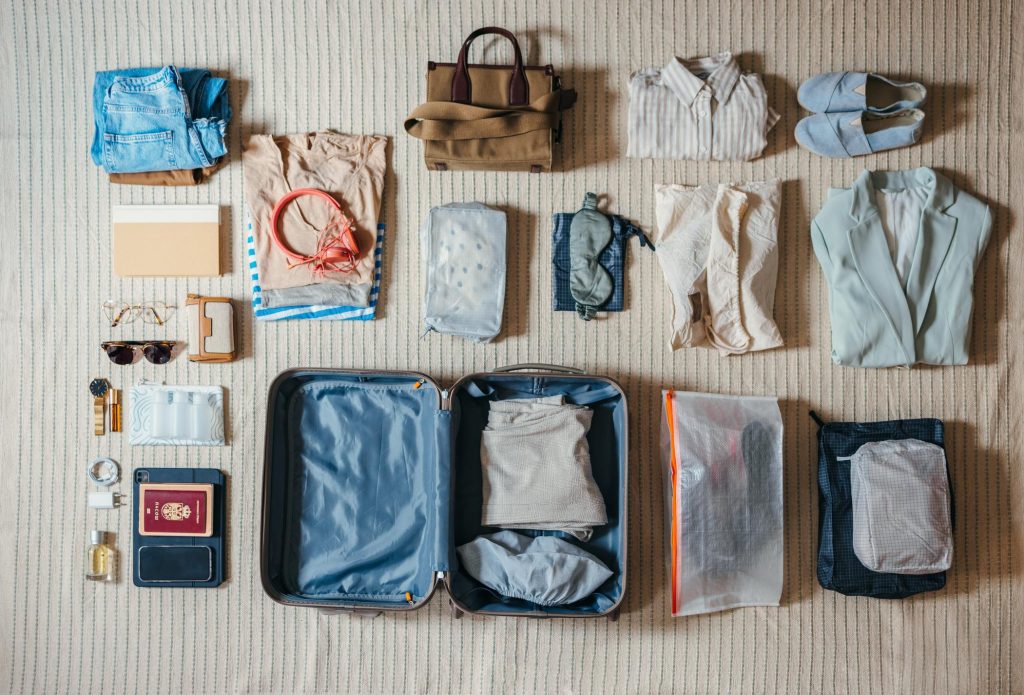
Packing cubes are popular among frequent travelers because they keep luggage organized.
They help separate:
- Clothing
- Electronics
- Toiletries
- Accessories
They also make it easier to find items without unpacking your entire bag.
6. Pack Essential Items First
Start with the things you absolutely need.
Important items include:
- Passport or identification
- Wallet
- Phone charger
- Medications
- Travel documents
- Important electronics
Place these items somewhere easy to access.
7. Limit Your Shoes
Shoes take up valuable luggage space.
For most trips, two pairs are usually enough:
- Comfortable walking shoes
- One additional pair for specific activities
Wear your heaviest shoes during travel to save space.
8. Create a Travel Toiletry Kit
Avoid bringing full-size products when possible.
Use:
- Travel-size containers
- Solid toiletries
- Small cosmetic bags
Pack only what you actually need for your trip.
9. Organize Electronics Carefully
Electronic accessories can quickly create clutter.
Keep organized:
- Chargers
- Cables
- Power banks
- Adapters
- Headphones
A small electronics pouch can save time and frustration.
10. Leave Extra Space
Many travelers forget that they may buy souvenirs.
Leaving some extra room allows flexibility during your trip.
A completely full suitcase can become inconvenient when returning home.
11. Wear Your Bulkiest Items
Save luggage space by wearing:
- Jackets
- Boots
- Sweaters
Airports and airplanes can also become cold, making layers useful during travel.
12. Prepare for Different Weather
Check the forecast before packing.
For changing weather, use layers:
- Lightweight base layers
- Sweaters
- Waterproof outer layers
Layering is more practical than carrying many separate outfits.
13. Keep Important Items Accessible
Some items should always be easy to reach:
- Travel documents
- Snacks
- Water bottle
- Earphones
- Hand sanitizer
A well-organized bag makes your journey smoother.
Sample Carry-On Packing List
Clothing
- 4–5 tops
- 2–3 bottoms
- Comfortable sleepwear
- Light jacket
- Underwear and socks
Toiletries
- Toothbrush
- Travel-size skincare products
- Shampoo or cleanser
- Deodorant
Technology
- Phone charger
- Power bank
- Travel adapter
- Headphones
Travel Essentials
- Passport
- Wallet
- Sunglasses
- Reusable water bottle
Common Carry-On Packing Mistakes
Avoid these mistakes:
- Packing too many clothes
- Bringing unnecessary items
- Ignoring airline restrictions
- Forgetting chargers
- Carrying heavy bags
Smart packing is about efficiency, not quantity.
Tips for Stress-Free Travel
A few simple habits can make your journey easier:
- Pack the night before departure
- Make a checklist
- Keep documents together
- Double-check weather conditions
- Arrive early
Preparation allows you to enjoy your trip from the beginning.
Final Thoughts
Packing a carry-on bag efficiently is a skill that improves with experience.
By choosing versatile clothing, organizing your essentials, and avoiding unnecessary items, you can travel lighter and enjoy a smoother journey.
A well-packed bag gives you more freedom, less stress, and more time to focus on the experiences waiting at your destination.
Frequently Asked Questions
How many outfits should I pack for a week-long trip?
Many travelers can manage a week with around 5–7 versatile outfits by mixing and matching clothing pieces.
Are packing cubes worth using?
Yes. Packing cubes can make organization easier and help maximize available space.
What should always be in a carry-on bag?
Important documents, electronics, medications, valuables, and essential personal items should always stay with you.